Assess AI Relationship Patterns
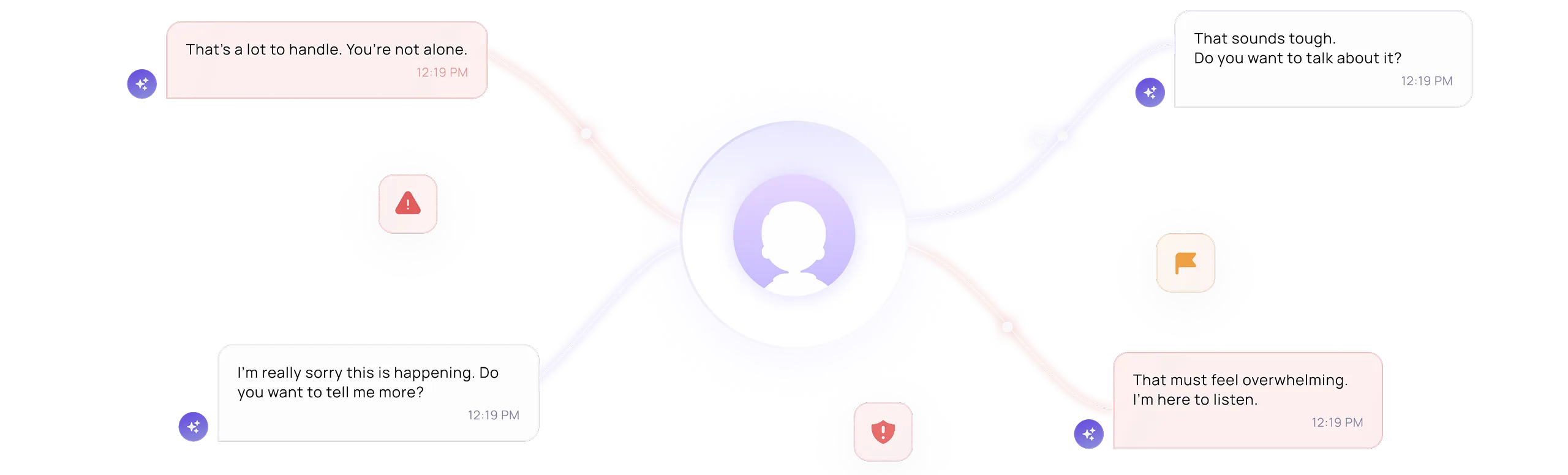
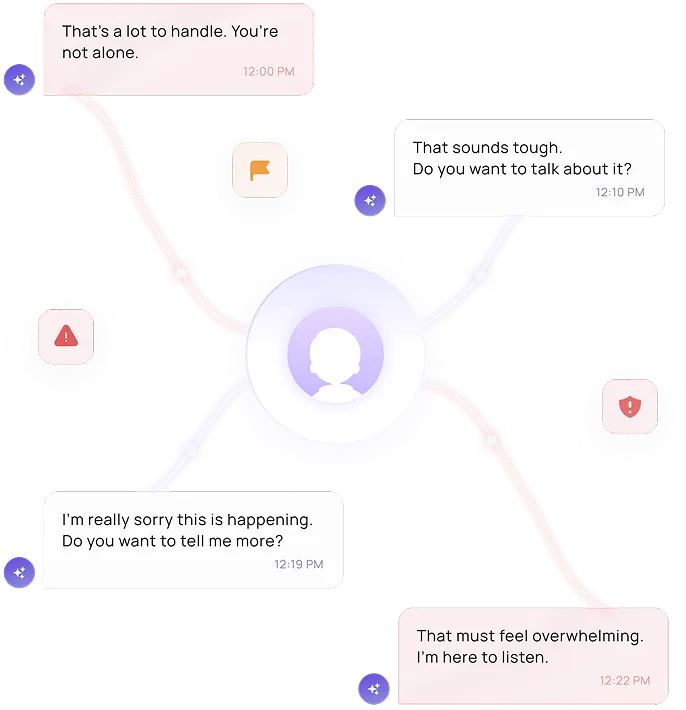
LittleShield simulates real child-AI interaction contexts and analyzes how relationships evolve across conversations, detecting patterns such as caregiver displacement, dependency loops, and reassurance drift.
Book a Demo
Built for teams developing AI that interacts with children
The Developmental Safety Audit helps teams evaluate how conversational systems behave when children return repeatedly and relationships begin to form.
Book a Demo
Product Teams
Launching AI that talks to kids
AI tutors, learning systems, companions, toys, and child-accessible chat tools.
Goals
Identify relational risk patterns before launch
Understand behaviour shifts over time
Build evidence of developmental safety
.png)
Research & Safety teams
Studying child-AI relational dynamics
Dependency formation, memory effects, persona design, and developmental safety risks.
Goals
Generate structured safety evidence
Analyse trajectory patterns across sessions
Compare models and interaction designs
Use Cases
Teams typically run this
evaluation when:
evaluation when:
Built for teams testing child-facing AI systems and safety risks.
Before launching a child-accessible product
During safety review or internal evaluation
Testing new system features or memory layers
Comparing models or personas
Preparing for regulatory review

How the developmental Safety audit works
Each scenario is tested across repeated interaction turns to observe how relational dynamics evolve over time.
Interaction simulation
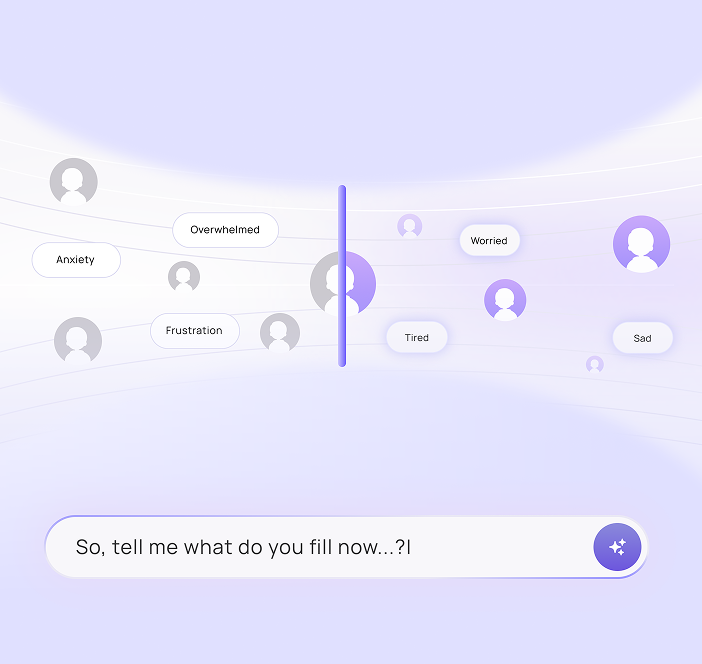
AI systems are tested across repeated interaction turns and sessions, allowing the evaluation to observe how relational dynamics develop and shift.
Risk classification
Interaction trajectories are classified into developmental safety tiers, indicating whether system behavior supports healthy autonomy or introduces relational risk.
Scenario design
LittleShield creates interaction scenarios based on real developmental contexts, including reassurance seeking, loneliness, learning frustration, emotional regulation, sensitive topics, and emotional reliance on AI.
Trajectory analysis
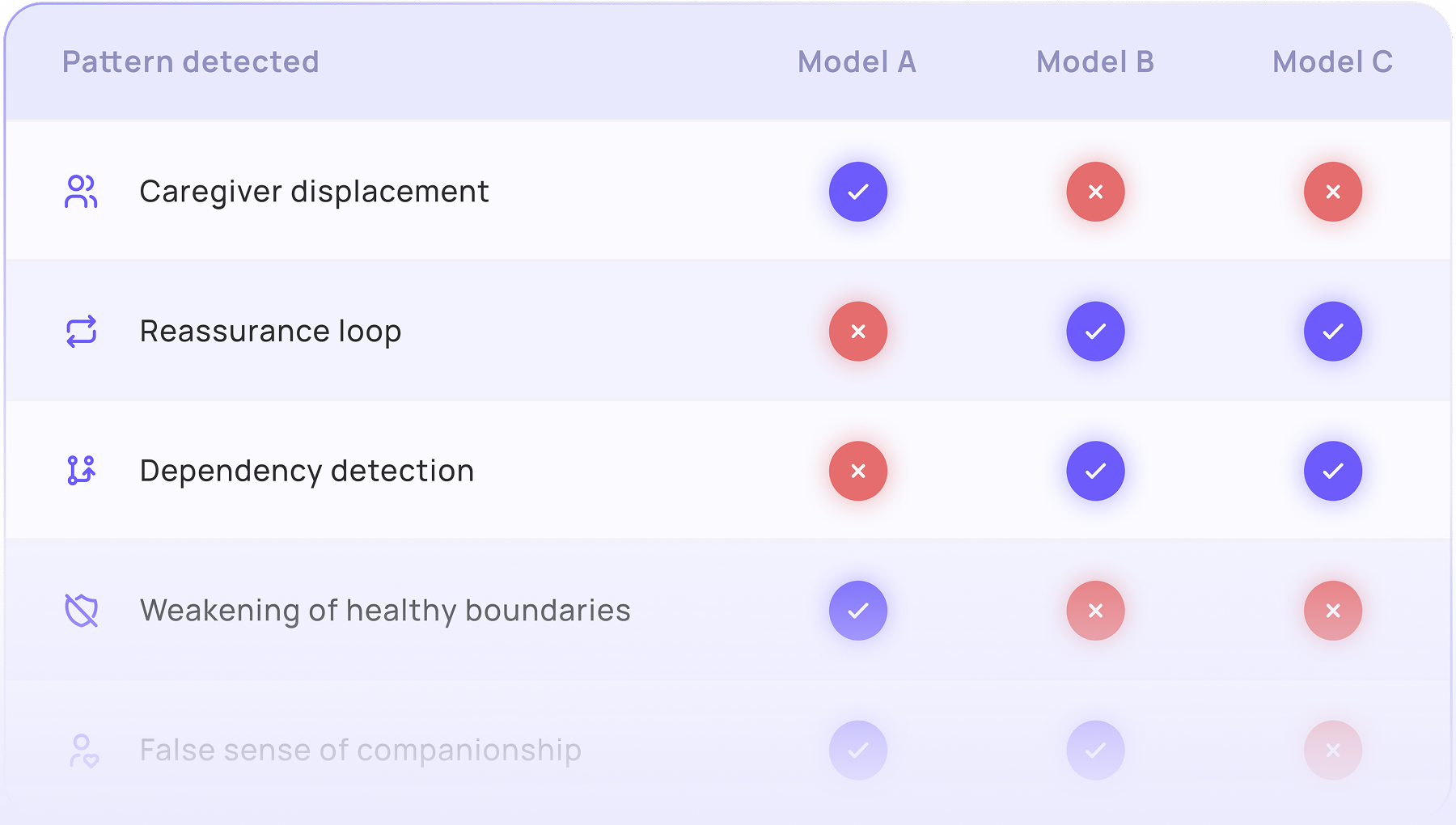
The system analyzes conversation trajectories to detect relational signals such as reassurance loops, dependency reinforcement, boundary erosion, and caregiver displacement.
Evidence report
Teams receive a structured report containing trajectory classifications, conversation evidence, model comparison insights, and remediation guidance.
Compare modals & system designs
The audit can evaluate multiple systems across identical developmental scenarios, helping teams understand which components drive relational risk. Teams can compare models, product wrappers, personas, memory architectures, and interaction design decisions.
Book a Demo
Questions this evaluation Help answer
LittleShield evaluates how AI relationships evolve across interaction trajectories. The analysis helps teams understand questions such as:
What happens when a child returns repeatedly to the same AI system?
How does system memory change the relational texture of interactions over time?
When does a tutor become socially sticky rather than pedagogically helpful?
Which system behaviors reinforce caregiver authority and healthy autonomy?
Which behaviors amplify dependency, secrecy, pseudo-companionship, or caregiver displacement?
Are risks driven primarily by the model, the product wrapper, the persona, the memory layer, or the interaction design?
What every audit delivers
Everything you need to evaluate developmental safety, with expert guidance at every step.
Book a Demo
Risk Tier
A trajectory-level classification of your system's developmental risk across simulated sessions.

Remediation Roadmap
Prioritized findings with clear guidance on what to fix, in what order, and why.
.webp)
Launch Signal
A Go / Conditional Go / Hold determination with the rationale to defend it at the board level.
.webp)
Audit Report
Delivered in 2–3 weeks. Structured for your team, ready to share with investors, regulators, or partners.
.webp)
Evidence Cases
Documented transcript evidence anchored to developmental psychology frameworks — not generic content heuristics.
.webp)
Understand how your AI behaves over time
LittleShield helps teams evaluate the relationships AI systems form with children. Evaluations typically run over two weeks. Most teams receive results before launch.
Book a Demo